Kongresi i Lushnjës
Lushnje
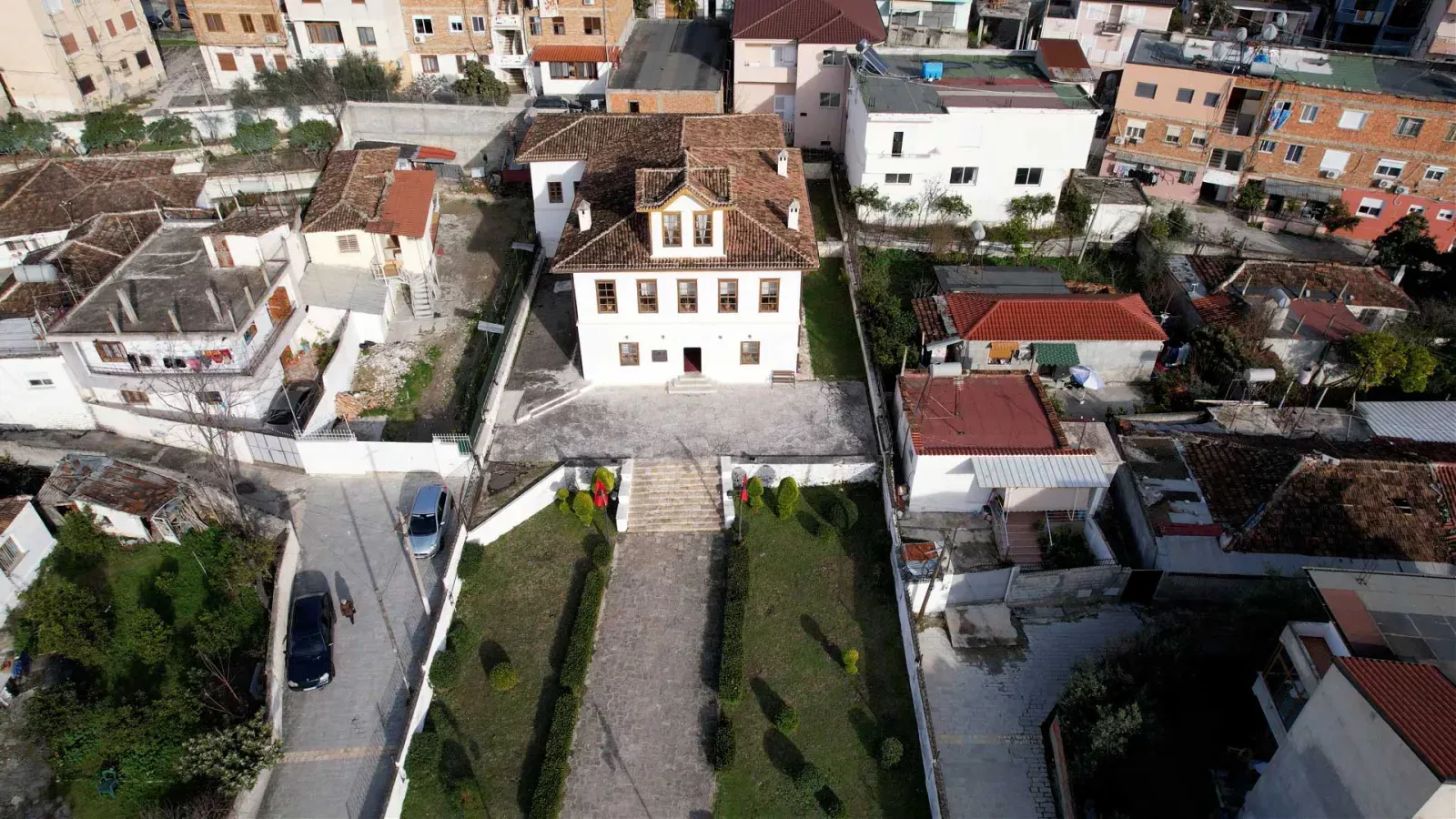
Kjo ndërtesë historike është vendi ku u zhvillua Mbledhja e Kombit, e njohur gjerësisht në histori si Kongresi i Lushnjës, një nga ngjarjet më të rëndësishme në historinë e shtetit shqiptar.
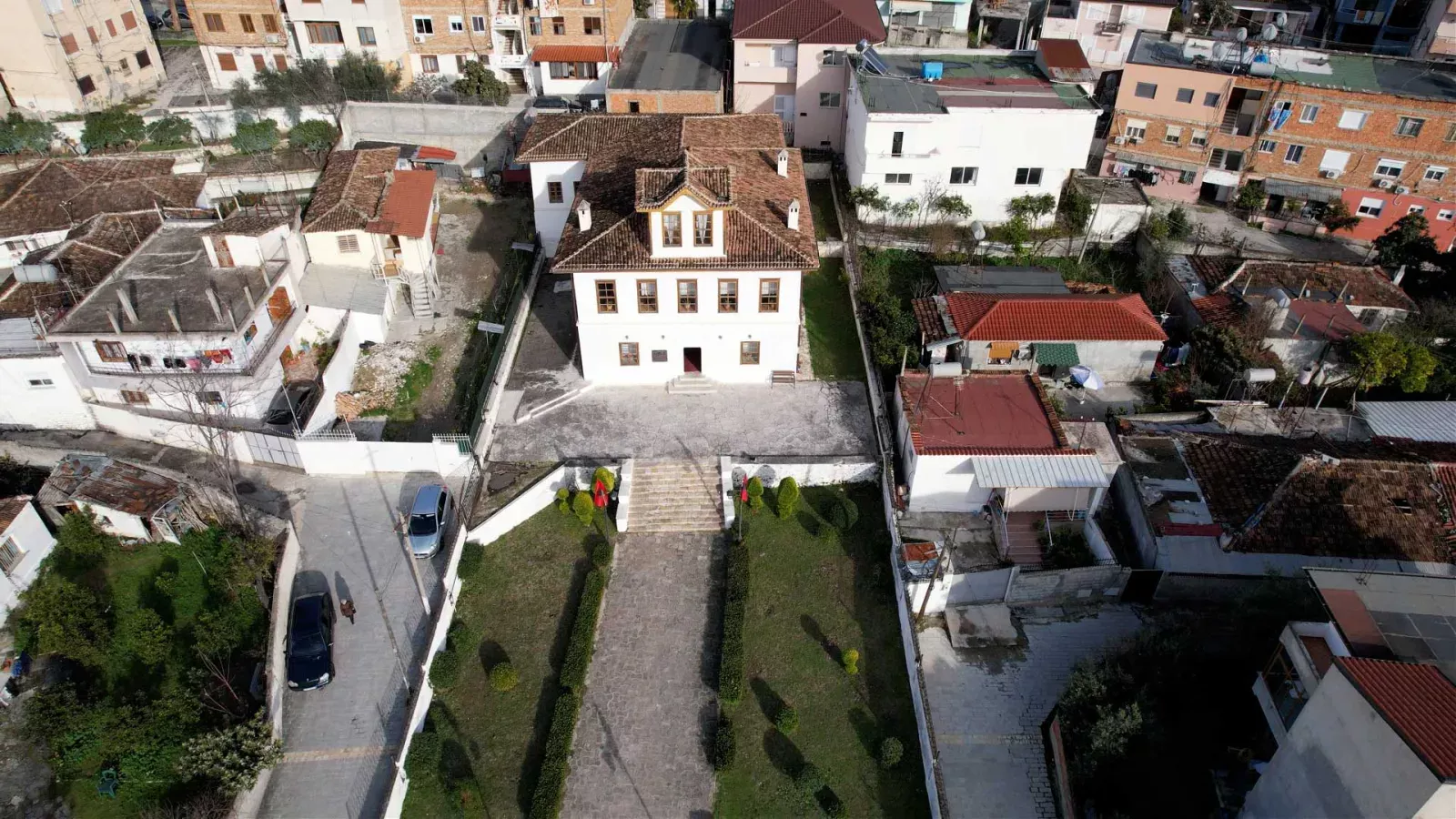
Pikërisht në këtë shtëpi, nga 28 deri më 31 janar 1920, delegatë nga të gjitha trevat e vendit u mblodhën për të mbrojtur pavarësinë dhe integritetin territorial të Shqipërisë, duke hedhur themelet e shtetit modern shqiptar. Shtëpia është ndërtuar në gjysmën e parë të shekullit XIX dhe, sipas traditës gojore, daton rreth vitit 1851. Ajo ishte pronë e familjes Fuga, një nga familjet e njohura të qytetit të Lushnjës. Ndërtesa përfaqëson tipologjinë karakteristike të banesave qytetare beratase, me dy kate dhe me një dhomë të vogël në pjesën më të lartë të çatisë, e njohur tradicionalisht si “Konaku i Hankove”.
Në prag të zhvillimit të Kongresit, familja Fuga u përball me një humbje të rëndë, pasi kryefamiljari, Shaqir Fuga, kishte ndërruar jetë pak kohë më parë. Megjithatë, bashkëshortja e tij dhe djali i tyre, Kasem (Kaso) Fuga, atëherë vetëm 17 vjeç, pranuan me gatishmëri dhe pa asnjë hezitim që shtëpia e tyre të vihej në dispozicion të delegatëve të Kongresit. Ky gjest fisnik dhe patriotik bëri që banesa e familjes Fuga të hynte përgjithmonë në historinë kombëtare.
Në ambientet e kësaj shtëpie u morën vendime me rëndësi të jashtëzakonshme për fatet e Shqipërisë. Kongresi kundërshtoi vendimet që cenonin sovranitetin e vendit, riafirmoi pavarësinë kombëtare, vendosi transferimin e kryeqytetit në Tiranë dhe krijoi institucionet e larta shtetërore që do të drejtonin vendin në vitet pasuese. Për këtë arsye, Shtëpia e Kongresit të Lushnjës konsiderohet një simbol i unitetit kombëtar dhe i përpjekjeve për konsolidimin e shtetit shqiptar.
Gjatë Luftës së Dytë Botërore ndërtesa pësoi dëmtime të konsiderueshme. Një pjesë shtesë e saj, e vendosur në krahun lindor, u shkatërrua dhe nuk është ruajtur deri në ditët e sotme. Megjithatë, struktura kryesore e godinës u ruajt, duke mbetur një dëshmi e çmuar e historisë sonë kombëtare.
Në shenjë nderimi për ngjarjen historike që kishte pritur, ndërtesa u restaurua dhe u hap për publikun si Shtëpi Muze e Kongresit të Lushnjës më 21 janar 1960, në 40-vjetorin e Kongresit. Me këtë rast u realizua edhe një kronikë dokumentare nga Radio Televizioni Shqiptar, duke e bërë këtë përurim një ngjarje me rëndësi kombëtare.
Sot, Shtëpia e Kongresit të Lushnjës mbetet një nga monumentet më të rëndësishme historike të Shqipërisë, një vend kujtese ku vizitorët njihen me ngjarjet, personalitetet dhe vendimet që përcaktuan të ardhmen e shtetit shqiptar në një nga momentet më vendimtare të historisë së tij.
Galeria